
Call Us USA/CANADA (011 30) EUROPE(00 30) AUSTRALIA (0011 30)Mobile: 697 305 7711
GREECE PRIVATE TRAVEL TOURS & TRANSFERS


Mount Olympus & Mount Pelion Tour
Private tour of Mount Olympus & Mount Pelion with 6 overnights / Meteora
Private tour in Mount Olympus (Home of Greek Gods) and Mount Pelion ( Home of Centaurs) Week long tour with 6 exceptional overnights, Meteora, Mount Olympus, Mount Pelion...Greece Private Tours
TOUR IN MOUNT OLYMPUS/PELION
Private tour in Mount Olympus & Mount Pelion. A week long tour with 6 exceptional overnights
Private tour in Mount Olympus (Home of Greek Gods) and Mount Pelion ( Home of Centaurs) Week long tour with 6 exceptional overnights, Meteora, Mount Olympus, Mount Pelion...Greece Private Tours...Legend has it that Olympus mountain was the Gods home ( Zeus Throne) and Pelion mountain was the summer resort of the Gods of Olympus and the magic country of the Centaurs. It rises, imposing and green, above Volos between the Pagasitic Gulf and the Aegean Sea.
Day 1: Mount Olympus & Pelion Tour departs from Athens (or other terminal - up request) via Lamia. We will stop at Thermopylae (where in 480 B.C. a battle between the ancient Greeks and Persians took place)to visit Leonidas Monument and then on via Trikala (Magnificent town, short stop). Visit Meteora, among striking scenery, perched on top of huge rocks which seem to be suspended in Mid - Air, stand ageless Monasteries, where you can see exquisite specimens of Byzantine Art. Of the 24 monasteries that grew up between the 13th and 16th centuries only six are still inhabited: The Great Meteoron, Agia Triad, Agios Nikolaos and Varlaam by monks: Agios Stephanos and Roussanou by nuns


Day 2: Visit the Meteora rocks early in morning then, Greece Private tour, drives through the mountains of Pindos to Vergina/ Aegae, first capital of Macedonia. Aegae, the first ancient capital of the kingdom of Macedonia, spreads over the low hills on the northern slopes of' the Pierian range, between the modern villages of Palatitsia and Vergina. This city was the most important urban centre in the region until the 4th c. BC. Here were to be found the ancestral sanctuaries of the Macedonians, and the palaces and the tombs (with their famous treasures) of the Argead dynasty, which traced its origins to the mythical hero Heracles and gave Greek history its most captivating figure, Alexander the Great. Visit the Royal tombs of Philip II, his summer palace and the theater, where was assassinated by his bodyguard under the orders of his wife Olympia, as the modern historians believe...


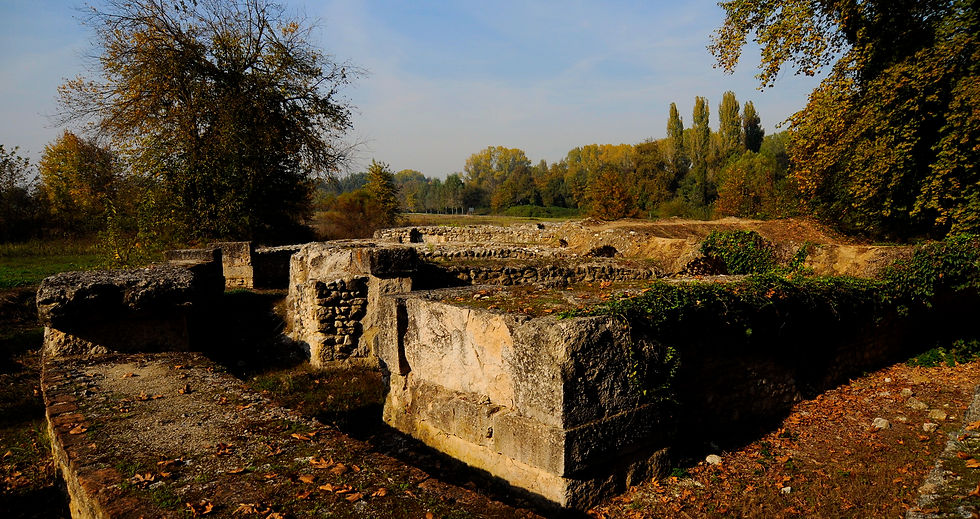
Continue to Mt.Olympus, the house of the gods. Geologist research has uncovered that Mt.Olympus is one of the most anciently formed mountains on Earth. Visit the first shelter in the mountains to get a view of the landscape, central Macedonia and Aegean Sea. We visit Dion, the sanctuary of Zeus, the most sacred sanctuary of ancient Macedonians... Overnight in Litochoro, a beautiful village on the slopes of the mountain Olympus. Please read our touring info for visiting hours...



Day 3: Leave before noon for Volos and Pelion. Tour of Pelion. Anakassia, in the village, which lies to the left of the road, is the Theophilos Museum. The museum is installed in the "house of Kondos", a beautiful building decorated with frescoes by the great primitive painter, Theophilos (1873-1934), a native of Lesbos who spent part of his life in Volos. The road continuous to climb towards Portaria with a view over Volos Bay. Portaria, 650m/2133ft. A pleasant resort in summer, cool and fresh, with a view up to Makrinitsa and down over Volos Bay, beautiful village square with superb plane trees (cafes, restaurants) and characteristic houses. From Portaria will take the road (panoramic view) to Makrinitsa (overnight). Makrinitsa 700m/1297ft. The village occupies a magnificent site on a verdant slope facing Volos Bay, it is pleasant to stroll through the steep and narrow streets among the splendid old houses, some of them are quite large and have been well preserved and restored. The main square (platia) is especially attractive with its fountain and its plane trees.


Day 4: Agriolefkes (Hania Pass) 1200m/3937ft. Winter sports resort (ski lift), set in beech and chestnut woods, there is a road from here to the summit of Mount Pelion. The road descends towards the Aegean through beech and chestnut woods before reaching the level of the orchards 13km/8mi from the pass bear left to Zagora, a little town of houses set in orchards and gardens watered by many fountains. It was also a center for hand-woven cloth which was exported by boat from the port at Horefto (Beautiful Port & Beach ... a must visit)
Day 5: take the narrow but picturesque road to Tsagarada (overnight)after visiting Agios Ioannis (very white beach at the foot of green hills). Tsagarada 500m/640ft. Peaceful resort where the houses are dispersed among the trees, the village boasts one of the oldest and largest plane trees (15m/49ft circumference) in Greece. Nearby is Milopotamos which has two beaches flanked by rocks... one of the most recommended beach in Greece for the clear and crystal waters...


Day 6: Continue for Millies and Vizitsa with many typical old mansions (overnight). Millies, this is a pleasant resort, which was a centre for Greek culture under the Turks and possesses a history library containing some rare volumes. The road back to Volos follows the line of the famous Pelion railway along the shore of the bay. Greece Taxi departs to Delphi. We arrive late evening. Overnight at Mount Parnassus

Day 7: We visit Delphi the centre of the Ancient world-the "Ompfalos" Navel of the Earth - whose prestige extended far beyond the boundaries of the Hellenic world, where in a landscape of unparalleled beauty and majesty, lie the ruins of the Sanctuary of Apollo Pythios. Visit the Treasury of the Athenians, the Temple of Apollo and the Museum containing masterpieces of ancient Greek sculpture such as the bronze Charioteer. Return to Athens at evening


Touring Info
Mount Olympus & Pelion Tour: Daily: Please read Touring /Info*
Sites & Museums: Summer: daily, 8.00 to 20.00 pm. Winter: Sunset / entry 30 min before closing.
Entrance fees from 6 Euros to 12 euros per person
Closed on Holidays: January 1st. , March 25th, May 1st, Easter Sunday, Christmas Day and Boxing Day. On Good Friday, the sites are open 12.00 - 17.00.

Highlights
Mount Olympus & Mount Pelion private tour in 7 days...or more.
Veria - Aegae Macedonian Royal Tombs
